
This tiny jurassic predator helped pave the way for the human brain
A 165-million-year-old fossil has revealed an extraordinary Jurassic predator that may help explain how mammals developed one of their most important evolutionary advantages. Although only 20 inches long, Megacauda sungei was a heavyweight among early mammal relatives, swimming through ancient waterways and hunting prey with specialized teeth. Its advanced swallowing anatomy reveals an early step…
Read original article on Top Environment News -- ScienceDaily →Related news
-
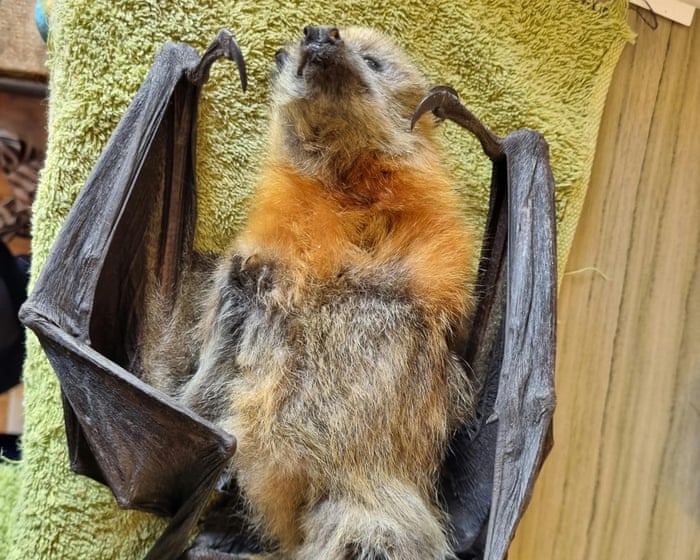 Flying foxes in NSW and Victoria face mass starvation amid food shortages
-
 Indonesia wildfire fuelled by El Niño razes almost 300 homes
-
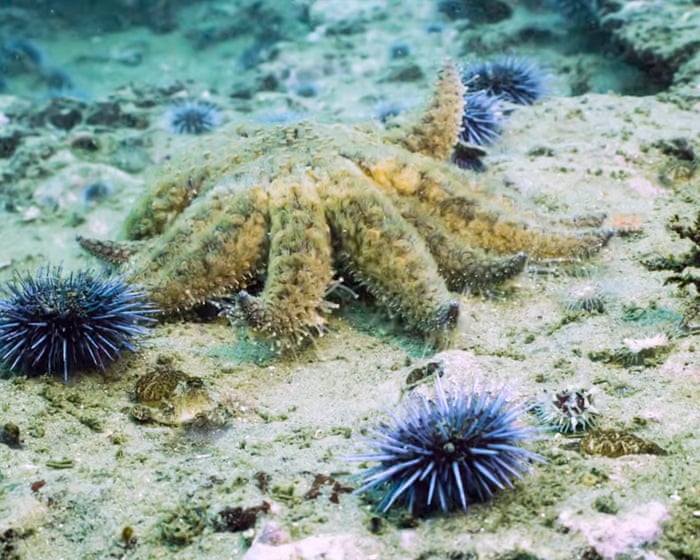 Scientists deploy a 24-armed secret weapon to save California’s kelp forests
-
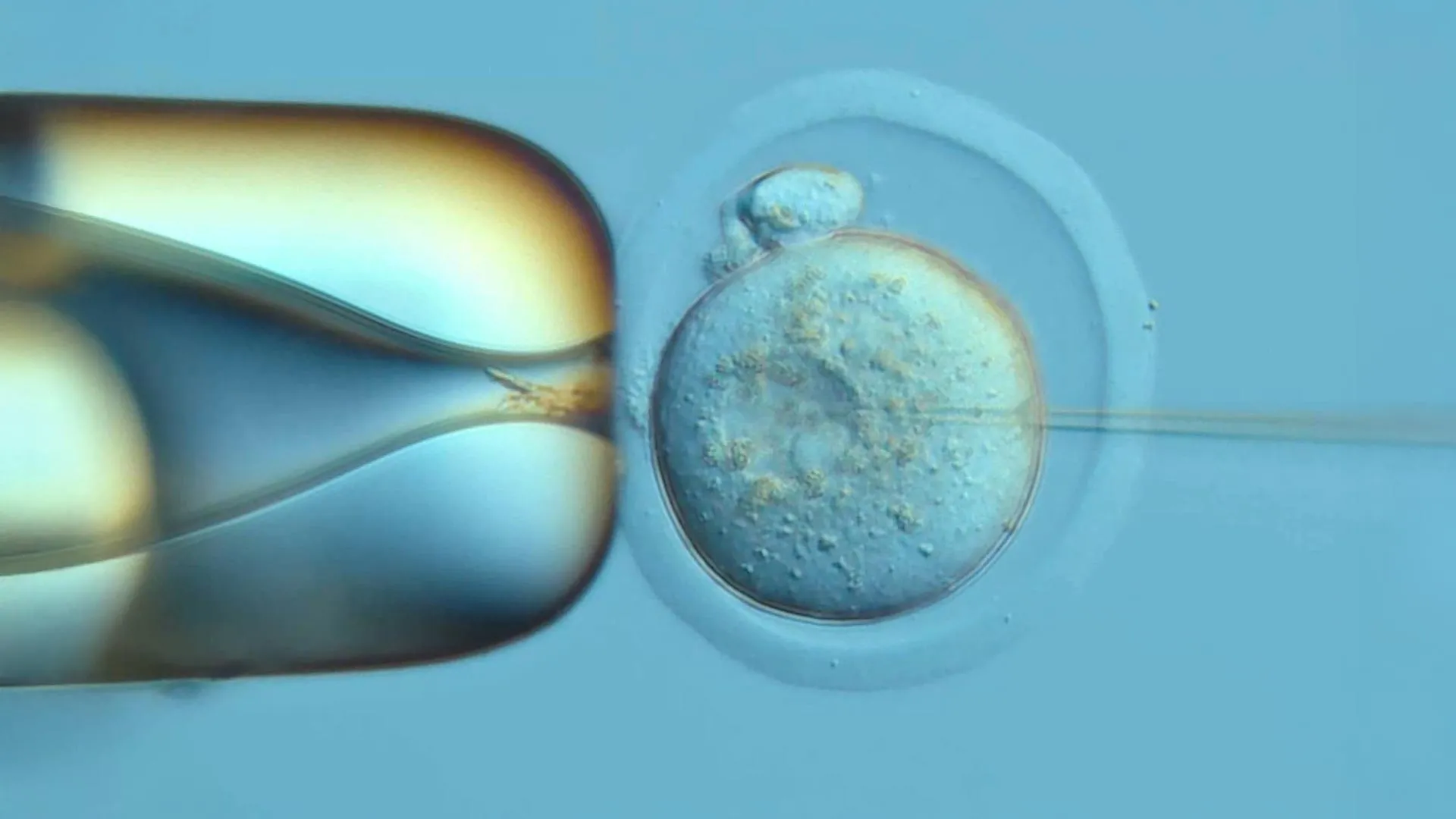 DNA recording system reveals how a single cell becomes a body
-
 Extreme El Niños are coming. Reaching net zero sooner means facing fewer of them
-
 Trill seekers: can scientists use AI and tutors to help birds remember lost songs?
-
 Coastal erosion in England has claimed at least 183 homes in past 16 years
-
 Hurricane Simon and Tropical Storm Rachel kill five people on Mexico’s Pacific coast